一昨日、朱鞠内湖から戻りました。ロッジの庭の植物や野菜の成長速度に驚かされつつ、4月を振り帰ってみます。
4月は、冬が終わり。モモンガの季節や冬のガイドの季節もひと段落します。それでも、野生動物たちは次の準備、繁殖や巣作り、暖かくなるにつれて、行動時間やパターンが変化していきます。
The day before yesterday, I returned from Lake Shumarinai. While being amazed at how quickly the plants and vegetables in the lodge garden are growing, I’ve been reflecting on April.
April marks the end of winter. The season for Ezo Flying Squirrel tours and winter guiding also begins to wind down. Even so, the wildlife is already preparing for the next stage — breeding and burrow building — and as the weather becomes warmer, their activity times and behavior patterns begin to change.
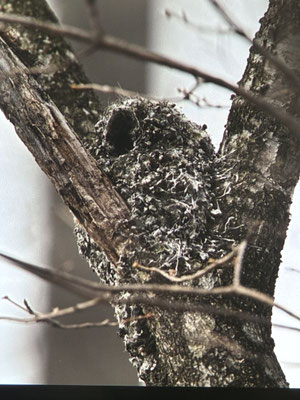
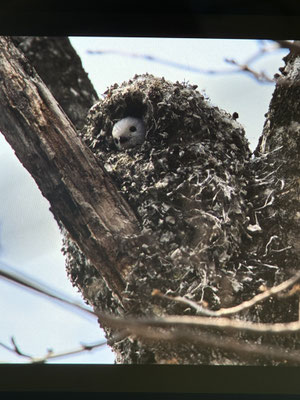
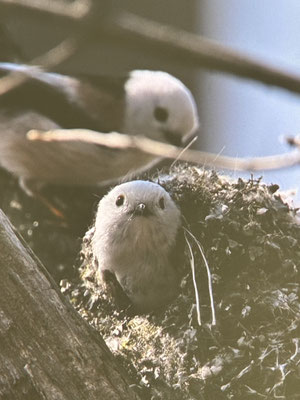

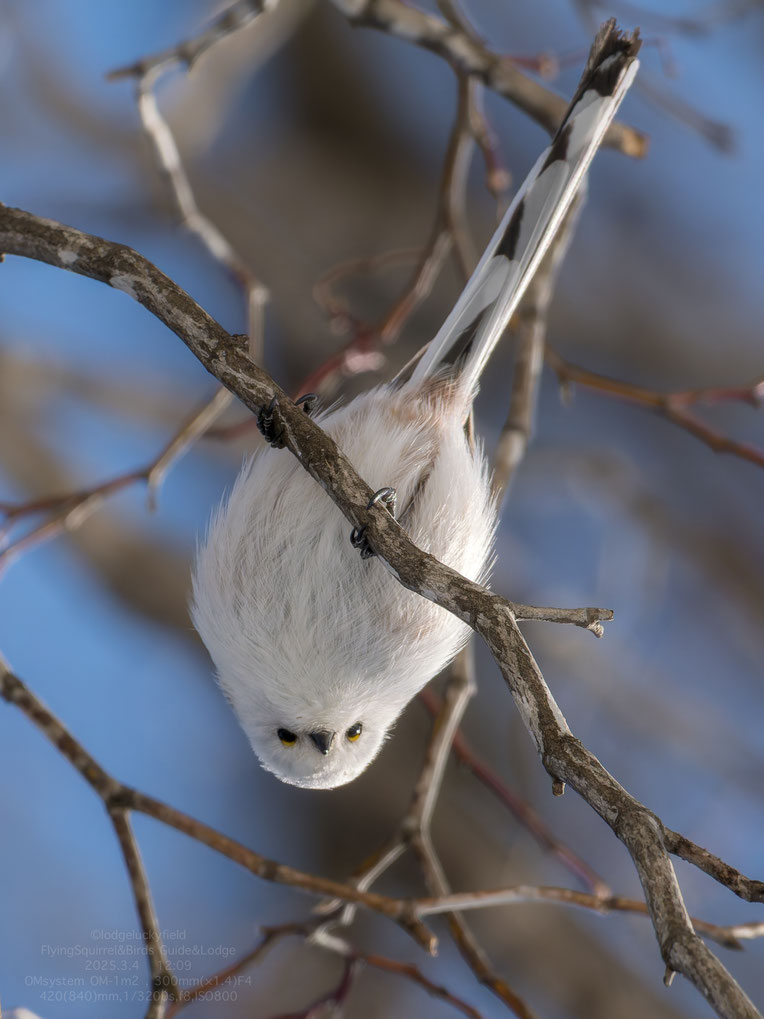
4月の観察は、シマエナガの巣作りも毎年の恒例で、朝と夕方をモモンガの観察。そして昼はシマエナガの巣作りを観察します。2月から3月は、カエデの樹液を飲みにくるシマエナガを観察していましたが、3月になると恋の季節。2匹で行動し始めると巣作りをする姿もあちこちで見れるようになります。観察は、「慎重に、距離を置いて」、ですが、毎日観察していると、人間が巣の近くにいても、全く気にせず、5mほどの距離でも、せっせと巣材を運んでは、また巣材を探しに行く。という行動を見せてくれます。
巣材は、外装は苔や地衣類、木の皮をモザイク状に絡めながらドーム型のソフトボールくらいの楕円形の巣を作り上げます。巣材をくくりつける糸のかわりに、繭の糸や蜘蛛の糸を使います。それを小さな口先だけで、器用に作り上げる姿は、何時間でも見ていられるほど、可愛くて、美しい姿です。2週間ほどの時間をかけて外装が完成すると、内装は鳥の羽やイケマ、ガガイモの綿毛など、柔らかく、保温性のある素材に変えて巣を完成させます。
こんな知恵と方法を誰に教わったのか、どこでその技術を得たのか、野生動物の本能と習性というのは、本当に見ていると素晴らしい。生きるための知恵、生きのこってこれた奇跡です。それが、シマエナガをとりまく、環境。必要とする木の皮、地衣類、苔、蛾や蜘蛛も、シマエナガにとって重量な生態系のつながりなのです。だからこそ、1種類の動物だけがチヤホヤされますが、自然全て、全部まとめて、大事にして、注意深く観察すると、違う角度から、面白い発見があり、その発見が理由や精度、再現性につながっていくのです。それでも、自然には裏切られるので、面白くて、飽きないのです。
Observing Long-tailed Tit building nests has become one of my annual traditions in April. In the mornings and evenings, I observe Ezo Flying Squirrel, and during the daytime, I spend time watching the nest-building behavior of the Long-tailed Tit.
In February and March, I had been observing them coming to drink maple sap, but by March it becomes the season of romance. Once they begin moving around in pairs, you can start to see nest-building activity everywhere. Observation must always be done carefully and from a respectful distance, but when you watch them every day, they eventually become completely unconcerned about people nearby. Even at a distance of only about five meters, they busily carry nesting material back and forth, then fly off again to search for more.
The outer structure of the nest is made from moss, lichens, and strips of bark woven together like a mosaic, forming a dome-shaped, oval nest about the size of a softball. Instead of thread, they use silk from cocoons and spider webs to bind everything together. Watching them skillfully construct such a delicate nest using only their tiny beaks is so beautiful and charming that I could watch them for hours.
After about two weeks, once the outer shell is complete, they begin lining the inside with soft, insulating materials such as feathers and the silky fibers of plants like ikema and gagaimo. In this way, the nest is finally completed.
Who taught them such wisdom and techniques? Where did they learn these skills? When you closely observe wild animals, their instincts and behaviors are truly astonishing. They are the wisdom of survival — the miracle of having endured and survived until today.
And surrounding the Long-tailed Tit is an entire environment and ecosystem. The bark they need, the lichens, mosses, moths, and spiders — all of these are important connections within the ecosystem that support their lives. That is why, although people often focus attention on only a single species, it is important to value and carefully observe all of nature as a whole. When you do, you begin to discover fascinating things from entirely different perspectives, and those discoveries lead to understanding, accuracy, and reproducibility.
Even so, nature still surprises and betrays our expectations. And that is exactly why it remains endlessly fascinating and never becomes boring.
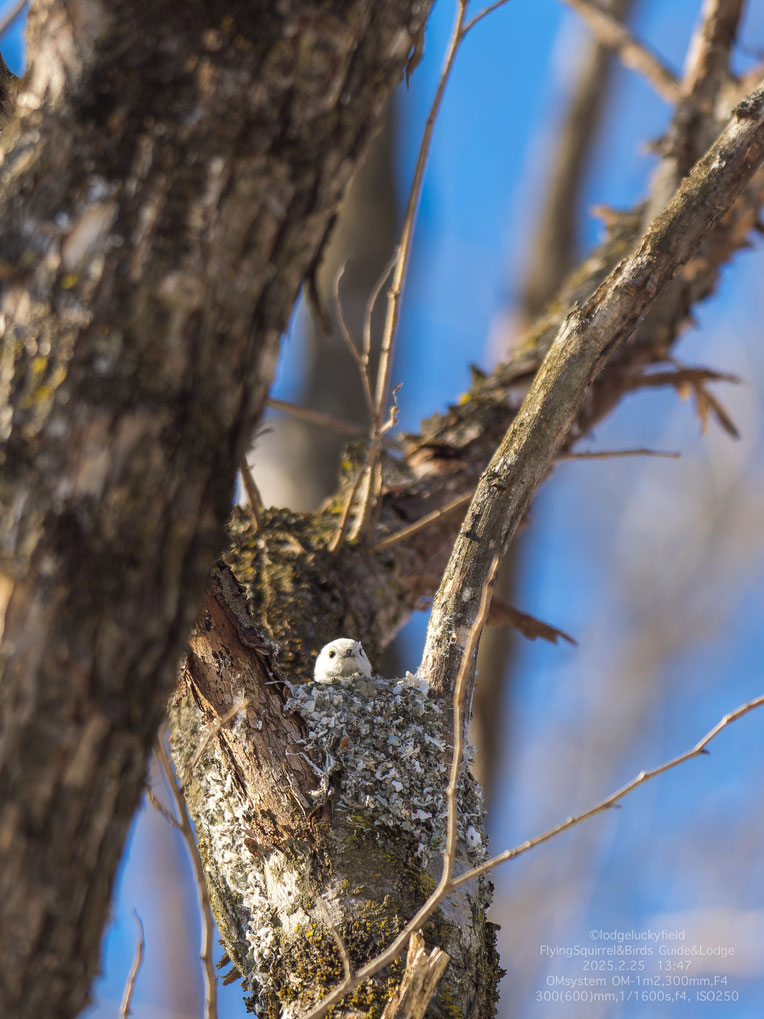

エゾモモンガの4月は、繁殖期が終わって、(まだ終わっていないエゾモモンガもいますが)、密集していた巣穴から、分散した数匹のモモンガが暮らす巣穴で観察を続けました。昼間でも顔を出してくる行動も観察できたりと、4月のエゾモモンガも可愛かったです。
For Ezo Flying Squirrel, April marks the end of the breeding season — although some individuals are still not quite finished. After winter, when many squirrels had been sharing crowded burrows, I continued my observations at burrows where only a few individuals were living together in a more dispersed way.
I was also able to observe behavior such as them poking their faces out even during the daytime, and the Ezo Flying Squirrel in April were just as adorable as ever.

