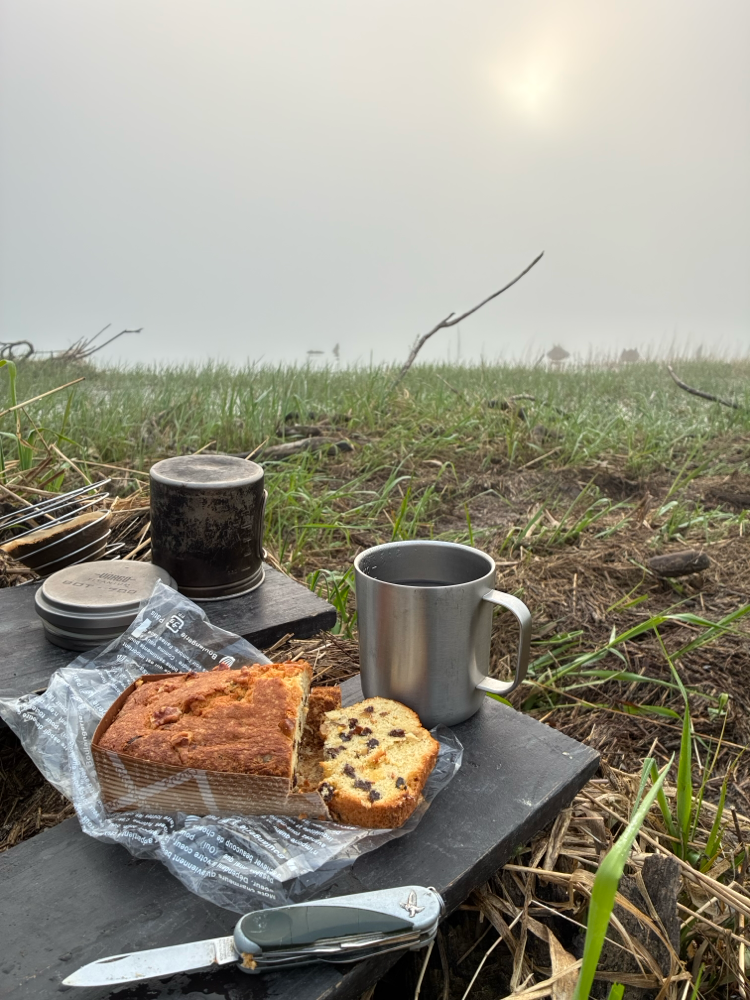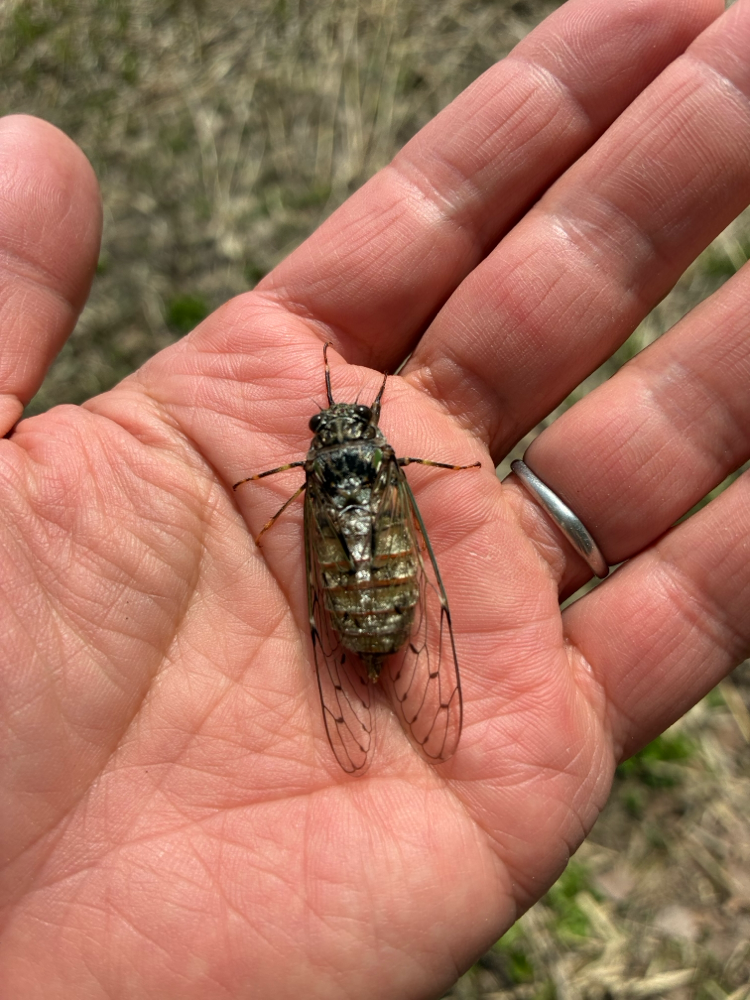
The fresh green leaves of the white birch trees grow deeper day by day. As the temperature rises, Ezo haru cicadas begin falling onto the water’s surface, fluttering helplessly. For anglers, it’s an exciting sight that raises expectations — but the Sakhalin taimen seem completely uninterested. They appear to be far more focused on dace and smelt instead.
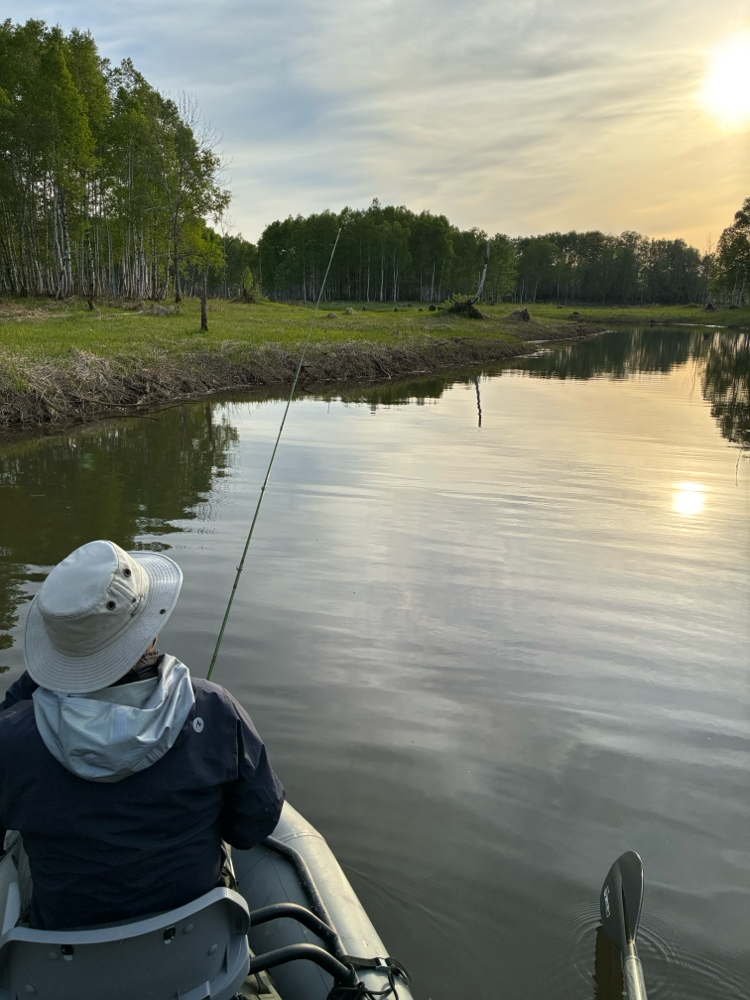
Up until yesterday, I had been guiding four days of Sakhalin taimen fishing. It was my guests’ very first taimen challenge, and on the first day they landed five fish, including one truly massive trophy taimen.
On the second and third days, however, temperatures dropped sharply and it felt like the taimen had simply disappeared. By the third day, there was a sense that maybe all the excitement had been limited to day one, and that the trip might fade out quietly.
But on the final day, temperatures rose again, and both the weather and the fishing turned into a perfect ending to the trip.
Spring turning into early summer in Hokkaido often moves in fast bursts, only to suddenly retreat again and leave you discouraged. That’s why I think a guide schedule of at least four days gives anglers the chance to experience both the highs and lows — the “sweet and bitter” sides — of taimen fishing here.
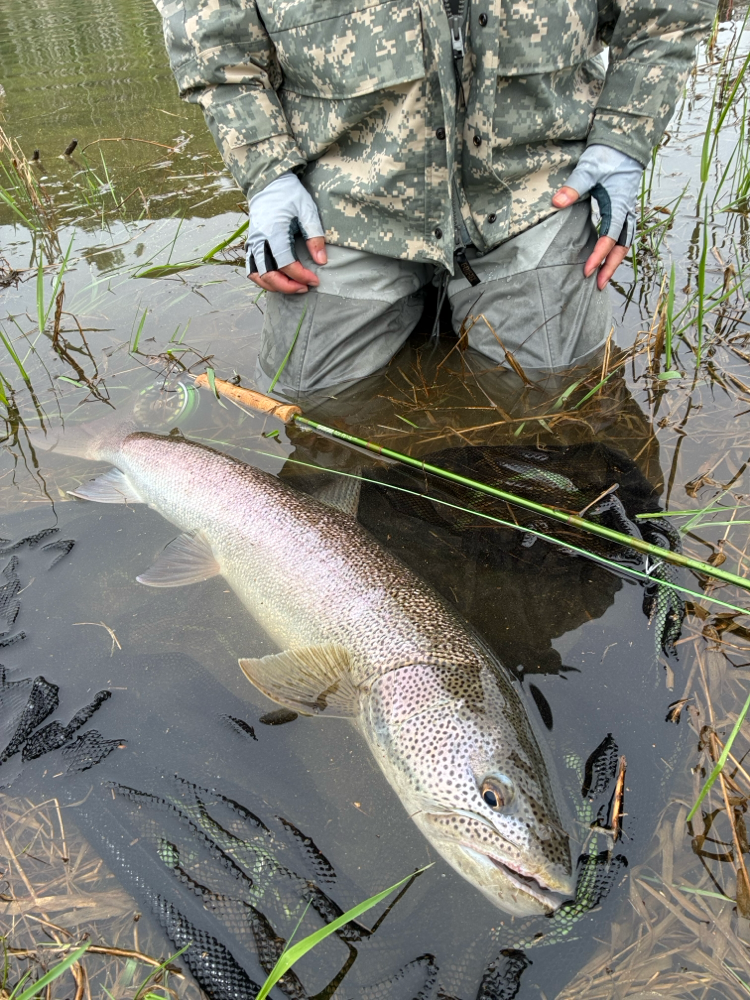
まだまだ紹介したい素晴らしい釣り人とイトウとの格闘をご報告したいと思いますが、また明日。
Over the four days, they landed a total of ten Sakhalin taimen. The guests had come as two friends taking on the challenge together, and throughout the trip they took turns catching fish, relaxing, and sharing moments of excitement and anticipation. It was a wonderful time to experience together.